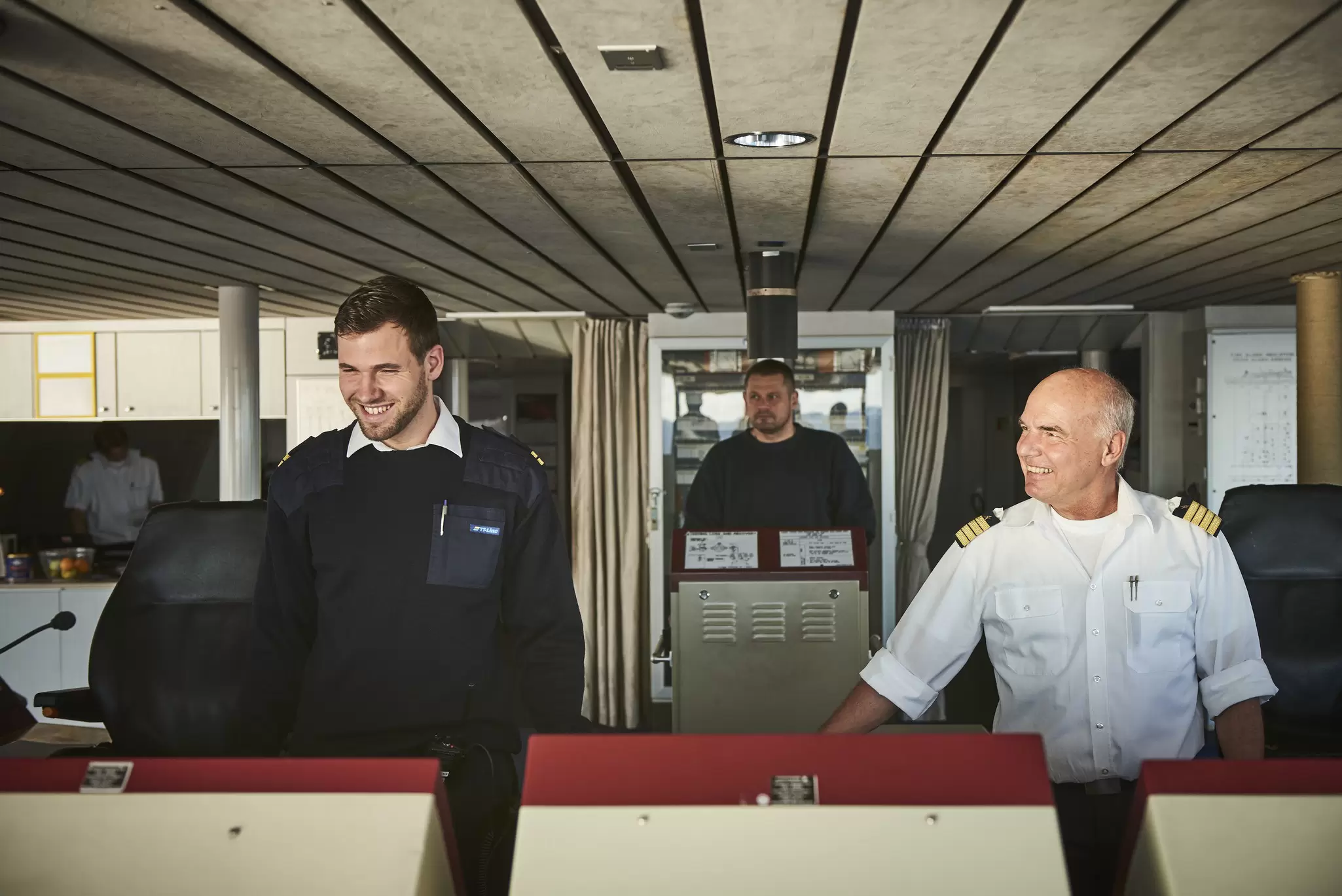
The transition to S-100 is already underway. Discover what it means for navigators, fleet managers and the future of maritime operations.
Tuesday - 01 September 2026
The shipping industry has largely settled the compliance question around S-100. The IMO timeline is fixed, the IHO product specifications are published, and the "if" has become a "when." What hasn't been settled, and what almost nobody is talking about, is the operational question: what does this transition actually demand of the people running the ship and the office behind it?
Most of the commentary on S-100 focuses on data formats, product specs and regulatory milestones. That's useful, but it skips past the harder question. What changes for the master on watch? For the superintendent reviewing a voyage plan? For the chief engineer planning a hardware refresh? S-100 doesn't improve safety or commercial performance on its own. Whether it does depends on decisions being made now, at the company level, about people, processes and systems.
Fleets that treat this as a technical upgrade will find the next few years considerably harder than fleets that treat it as an operational one. And the window to get ahead of it is short: with full implementation landing at the start of 2029, the choices made over the next 18 to 24 months will largely determine how ready a fleet is when it counts.
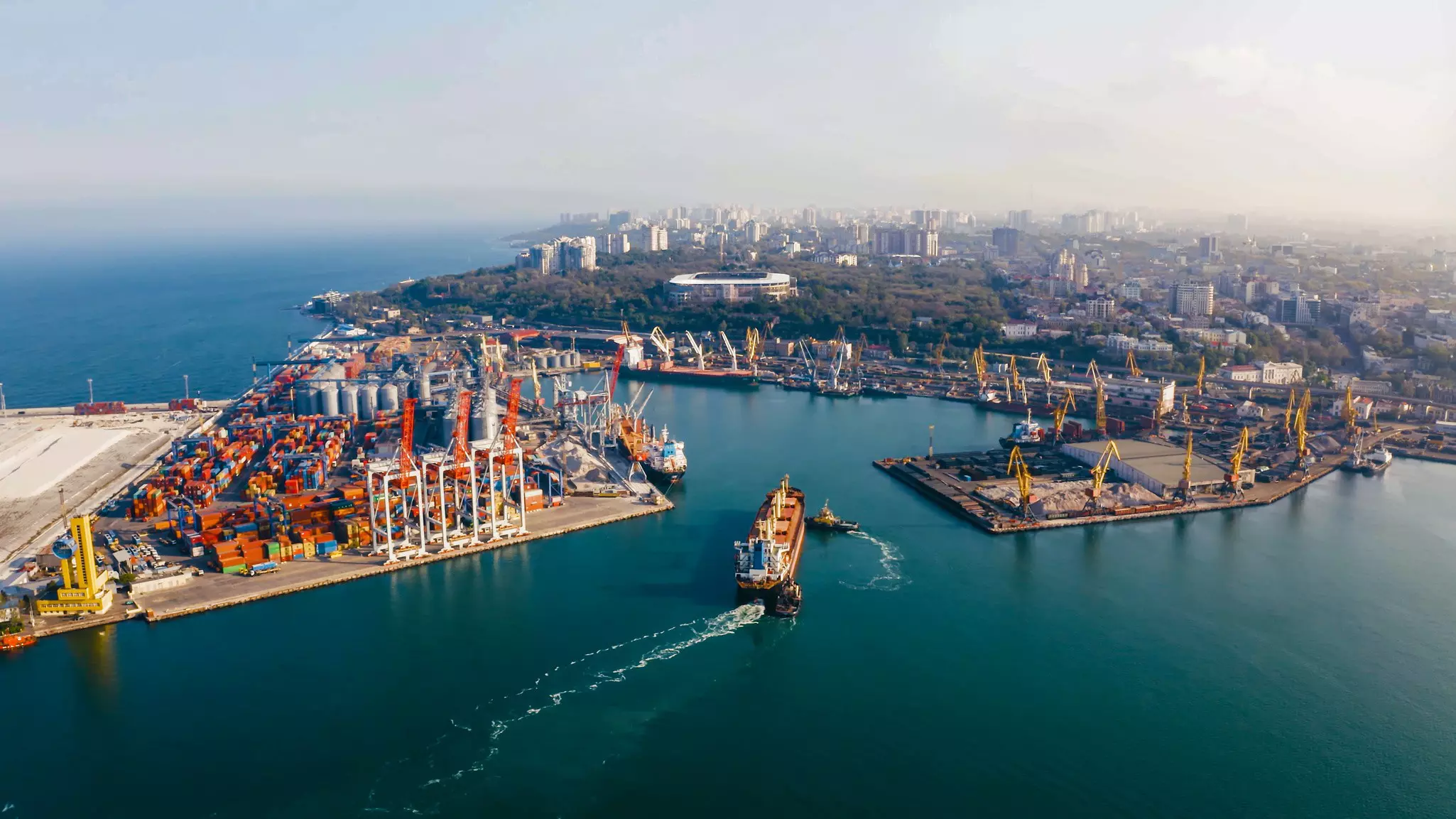
For the first time, a navigator will have simultaneous access to high-resolution seabed data, hour-by-hour water-level forecasts and near-real-time surface current information, all on one screen. That's not simply "more data." It's a different kind of data: dynamic, time-dependent and continuously updated, which changes how voyages get planned, monitored and adjusted.
Picture a second officer planning a passage from Rotterdam to Singapore in 2028. They'll be working with layers of information that have no equivalent in today's workflow. Which layer takes priority in the Malacca Strait? Whose interpretation of a routing change wins when the bridge and shore are looking at the same dataset and reaching different conclusions? These are Tuesday-morning operational questions, not training-course hypotheticals.
Add to that a dual-standard transition period, where bridge officers will be working with both S-57 and S-100 data at once, and the potential for confusion at exactly the moment clarity matters most becomes real, unless companies decide in advance which dataset takes precedence.
The volume and variety of incoming data will also exceed what a single officer, or even a full bridge team, can realistically evaluate in parallel: different formats, resolutions, update cycles and time dependencies. Aviation learned long ago that systems need to be designed around human cognitive limits, not around the hope that crews will simply rise to meet them. The nature of bridge work is shifting too, from manually processing raw navigational data toward interpreting system outputs, validating recommendations and holding situational awareness. And underneath all of it sits a hardware question: storing and processing high-resolution, time-dependent layers in near-real time is a load many current installations can't reliably carry, which makes this a planning issue today, not an implementation-day surprise.
None of this is an argument against S-100. The data it introduces is genuinely better: a universal standard, real-time updates, and route optimisation that can meaningfully improve environmental performance and commercial efficiency at the same time. The argument is for honesty about the transition period, and for investing in the people and processes that will decide whether that potential gets realised. Companies that skip this step risk pushing the information-triage problem straight onto the bridge team, and overloaded officers will do what people always do with too much information: ignore parts of it.
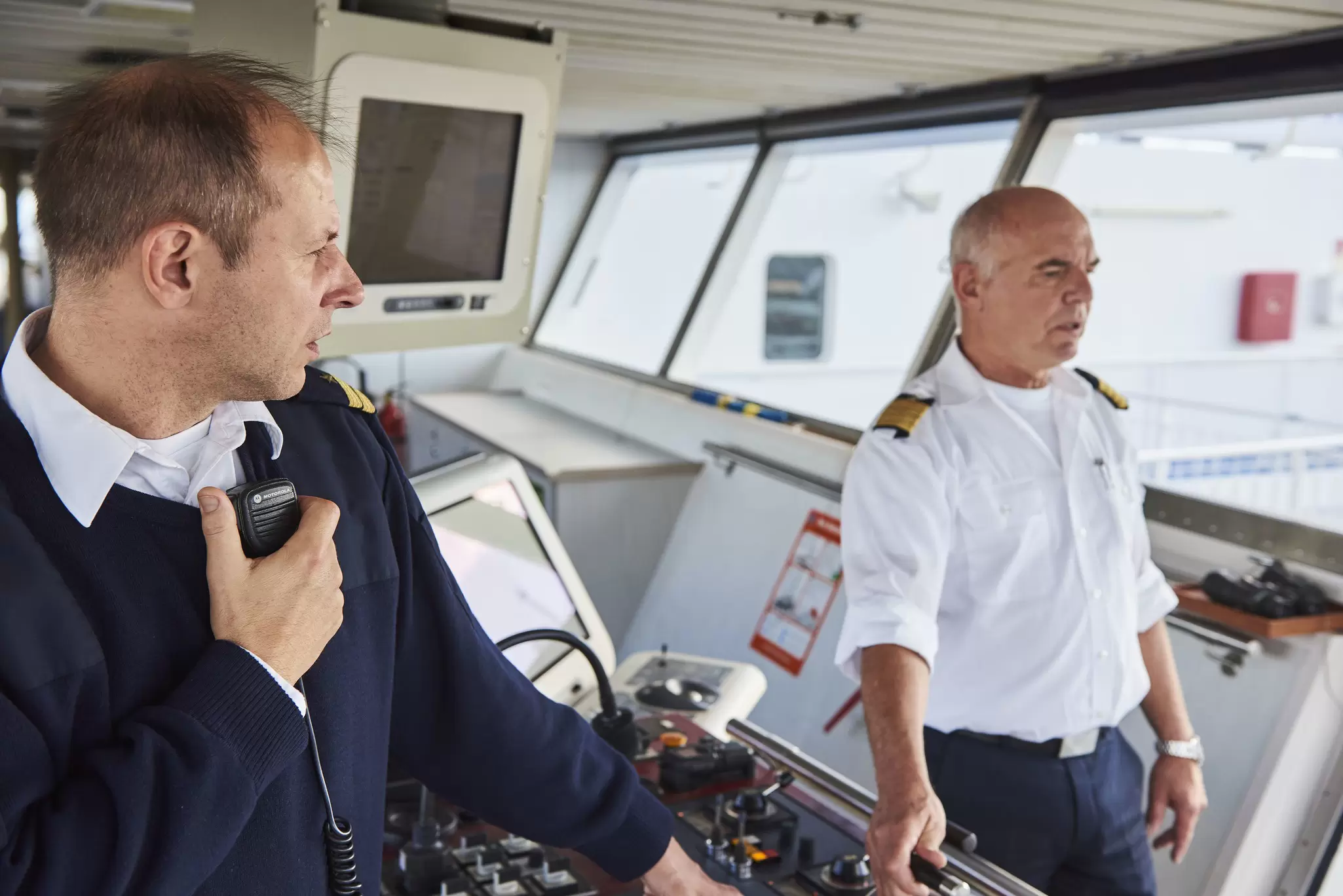
S-100 also gives shore-based teams access to close to the same operational data the bridge is working with, in close to real time. That hasn't been possible before, and it will reshape the relationship between office and vessel in ways the industry hasn't fully worked through yet.
The upside is real. Route optimisation against environmental targets, risk assessment built on current security intelligence, weather routing that accounts for sub-hourly current data: these become decisions shore teams can actively shape, rather than watch from a step removed. But that upside disappears fast without a workflow for using it. A shore team with access to S-100 data and no agreed process for engaging the bridge will either leave the data unused, or worse, end up looking at the same picture as the vessel and reaching a different conclusion with no mechanism to resolve it.
Company navigation policies written for S-57 won't hold up under S-100. New policies need to spell out which data layers are mandatory for a given voyage type, what happens when bridge and shore disagree from the same dataset, and who has the authority to make a routing call at 0300. Training needs the same rethink: it's a company responsibility, not a certification exercise, and the first six months on a materially new navigation system is when most errors happen. A training plan that stops at certification leaves the riskiest period unmanaged.
The value in S-100 flows through the people and processes connecting bridge and office, not through the data alone. Fleets that prepare their shore-side processes alongside their onboard systems will have a real advantage over those focused only on hardware and chart subscriptions.
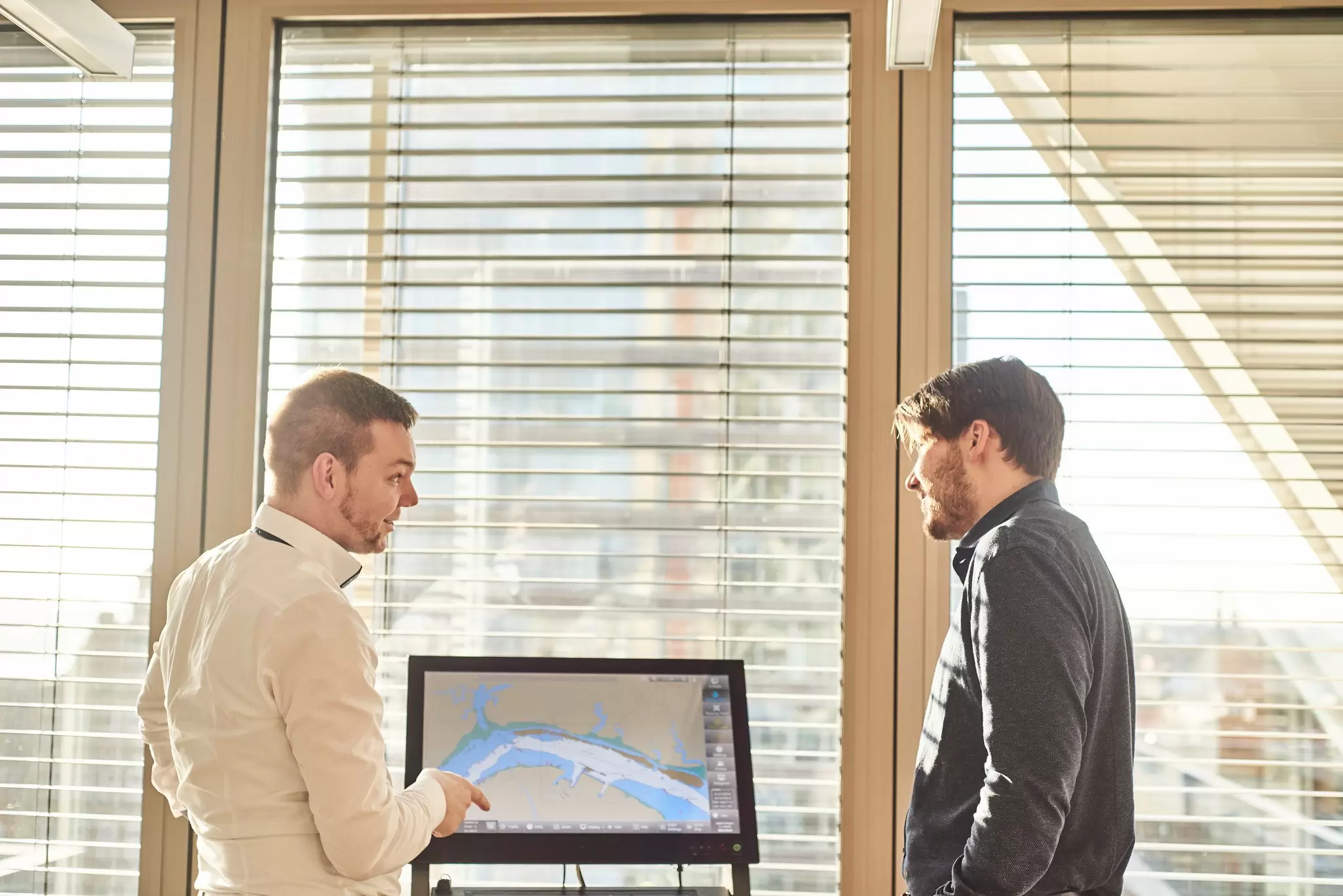
At Teledyne Raymarine Commercial, these are the conversations we're having with fleet owners, operators and managers every day. And they point to one clear conclusion: the time to choose a navigation partner is now, not once S-100 arrives.
In the S-57 era, that decision had a defined scope: hardware, chart subscription, maintenance contract. S-100 adds more data layers, more integrations and more dependencies between systems, which means the cost of switching partners later carries commercial weight that simply didn't exist a decade ago.
We believe a managed-service model, built around ongoing software upgrades, hardware replacement, proactive maintenance and 24/7 technical support, is the better way to navigate that complexity. It shifts risk to the partner best positioned to carry it, and gives a fleet a predictable cost base instead of unpredictable capital exposure. A partner decision made in 2026 will shape what's operationally possible in 2032, and that time horizon deserves more weight in procurement than it typically gets.
The differences that matter most show up in the moments that test a relationship: support response at 0300, escalation paths when something breaks mid-voyage, and a willingness to be involved in workflow decisions rather than just data delivery. One useful test for any candidate partner: how easy would it be to leave them in five years if they stopped performing? Port State Control records back this up, too, since well-maintained, well-supported navigation systems correlate directly with fewer detentions, and avoiding just one off-charter day tends to more than offset the cost of a managed-service arrangement.
The right partner for the S-100 environment understands the work itself: people who have stood watch, managed fleets, and thought hard about what a watchkeeper actually needs when conditions change. That's what turns data into a usable navigational tool, rather than one more source of complexity.