Learn what the transition to S-100 means for shipping companies and how to prepare for future compliance and operational gains.
Friday - 07 November 2025
The maritime industry is entering a new era. With the introduction of the S-100 framework, shipping companies worldwide face a transformative opportunity – and challenge. This isn’t just another technical update; it’s a fundamental shift in how vessels navigate, plan voyages, and manage compliance. For operators, understanding what S-100 means and preparing for its implementation is essential to remain competitive, efficient, and safe.
S-100 is the next-generation standard for maritime data exchange, developed under the International Hydrographic Organization (IHO). By 2029, compliance will be mandatory under SOLAS regulations, making it a cornerstone of future maritime operations.
Unlike previous standards, S-100 introduces dynamic, real-time data layers that significantly enhance situational awareness and decision-making. These include:
Together, these datasets allow vessels to plan routes with unprecedented accuracy, reduce delays, and lower bunker costs - all while improving safety and compliance.
Andy Murray from Teledyne Raymarine Commercial and Sam Winchester from the UK Hydrographic Office (UKHO) sat down to discuss the S-100 implementation journey, exploring how new datasets and capabilities will be introduced, what changes mariners can expect, and how industry collaboration is helping to ensure a smooth transition ahead of the 2029 SOLAS mandate.
While S-100 introduces powerful new datasets, successful adoption is about more than technology alone. Industry-wide sea trials and operational testing are helping shipowners, bridge crews, hydrographic offices and equipment manufacturers understand how these new information layers fit into everyday navigation workflows. The goal is not to replace familiar practices overnight, but to gradually enhance them with richer, more dynamic maritime data.
At World ECDIS Day 2025, industry leaders were asked what they see as the biggest advantage of S-100. The overwhelming response? Safer navigation. Access to real-time, high-quality data means fewer risks and better-informed decisions on the bridge. But safety isn’t the only benefit. Optimising routes with S-100 data translates directly into fuel savings, reduced emissions, and minimised operational disruptions. In an industry where margins are tight, these efficiencies matter.
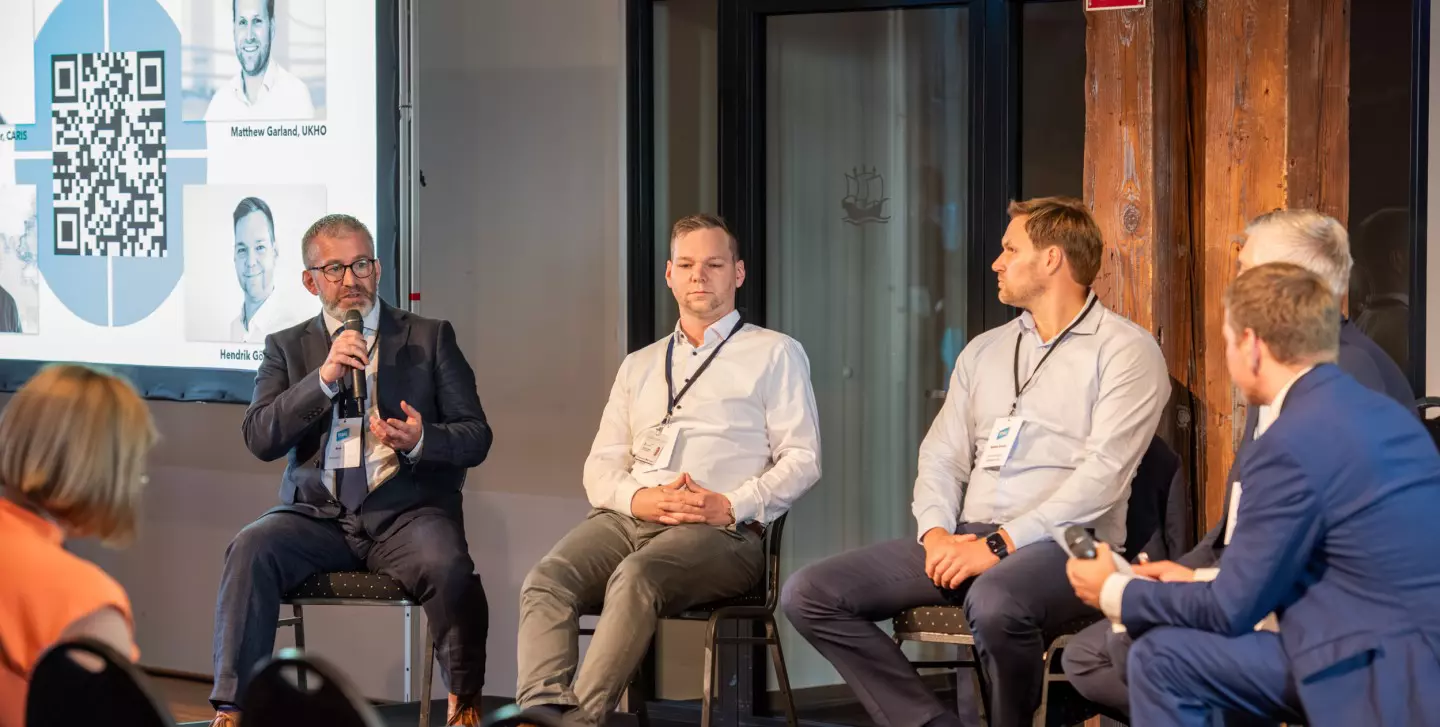
In the photo: panel discussion at World ECDIS Day 2025
Transitioning to S-100 will not be without its hurdles. Shipping companies must prepare for:
These challenges highlight the importance of early planning. Waiting until the last minute could lead to hardware shortages, rushed installations, and inflated costs.
The timeline may seem generous, 2029 feels far away, but upgrading an entire fleet is no small task. Early adopters can spread costs over several years, train crews gradually, and avoid operational bottlenecks. Acting now means avoiding the scramble when compliance becomes mandatory.
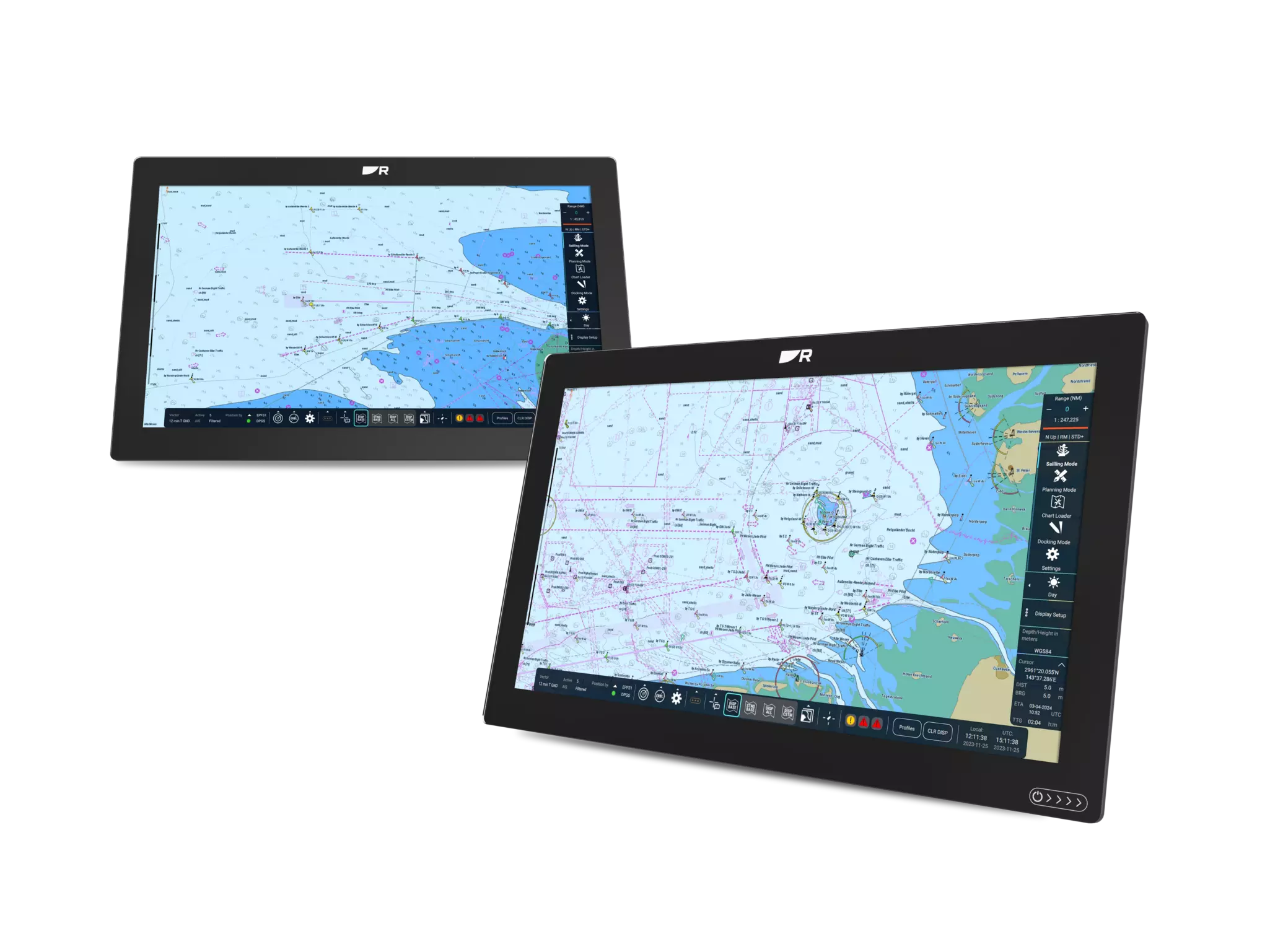
To simplify this transition, Raymarine Commercial offers Pathfinder ECDIS as a subscription-based model designed to remove the pain points of hardware investment and upgrade cycles. Our solution includes:
This approach ensures predictable costs, eliminates upfront capital expenditure, and guarantees your fleet is ready well before the 2029 deadline.
The S-100 framework represents the future of maritime navigation. By acting now, you’ll not only ensure compliance but also unlock operational efficiencies that deliver real value. Safer voyages, smarter decisions, and cost savings are within reach if you start today.