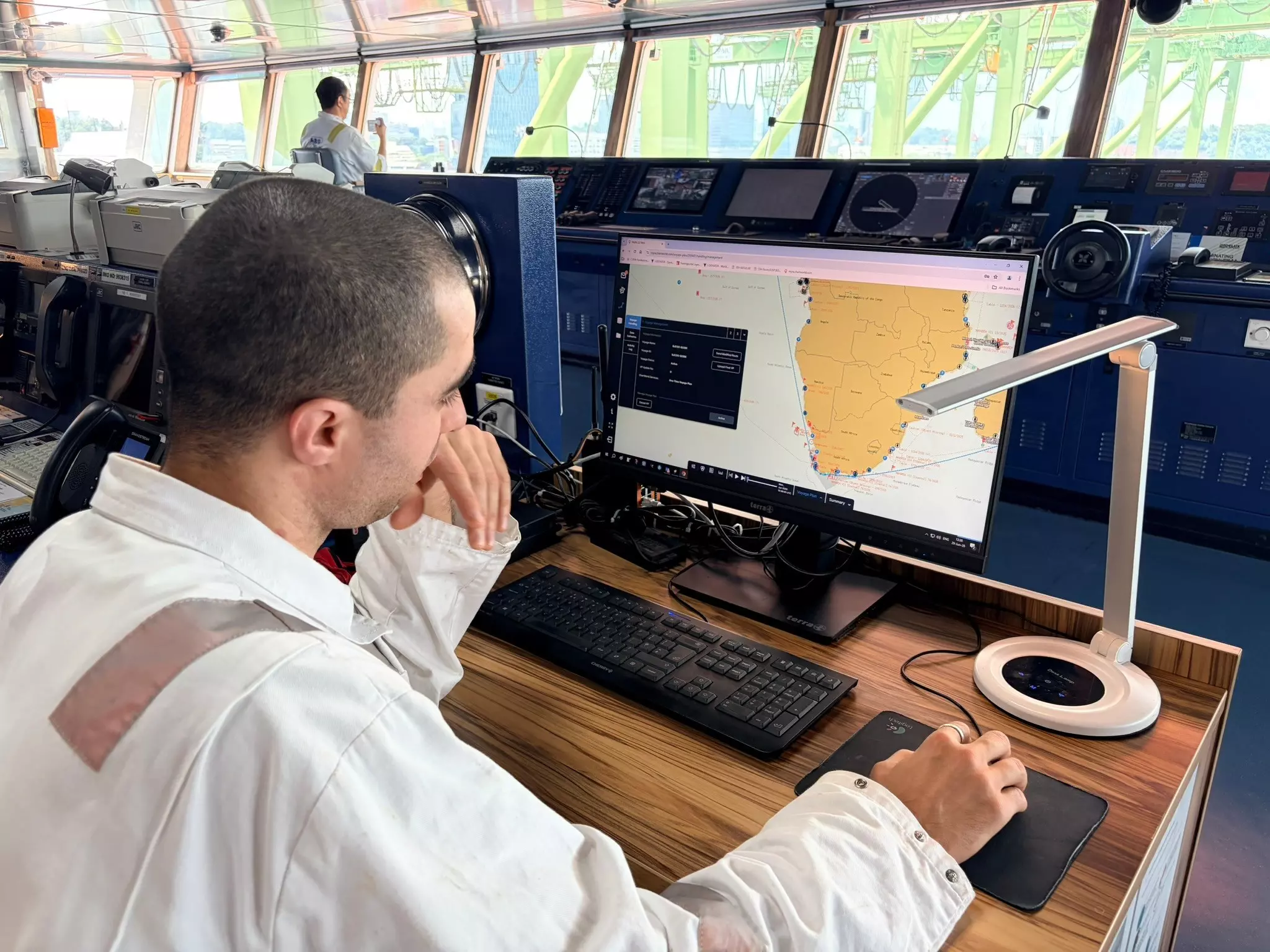
Discover how Luka Milidrag, Second Mate aboard MV ALS FIDES, uses MyRA 2.0 to bring weather, navigational overlays and route data into a single workflow, helping him plan voyages with greater confidence while keeping full control over every routing decision.
Friday - 07 August 2026
Modern voyage planning requires navigators to bring together information from multiple sources before a route can be finalised. Weather forecasts, navigational warnings, chart information, operational restrictions and voyage-specific factors must all be assessed to support safe and efficient operations.
For Luka Milidrag, Second Mate aboard MV ALS FIDES with Atlantic Lloyd, passage planning is a critical responsibility. Alongside voyage preparation, his role includes bridge equipment monitoring, cyber security support, cargo operation assistance and crew medical responsibilities.
As one of the navigators evaluating MyRA 2.0, Luka sees the platform as a natural evolution of an already trusted voyage planning solution, helping crews gain greater visibility of voyage-critical information while maintaining full control over routing decisions.
"MyRA 2.0 helps ensure important voyage information isn't overlooked during route planning, giving me greater confidence when preparing a voyage."
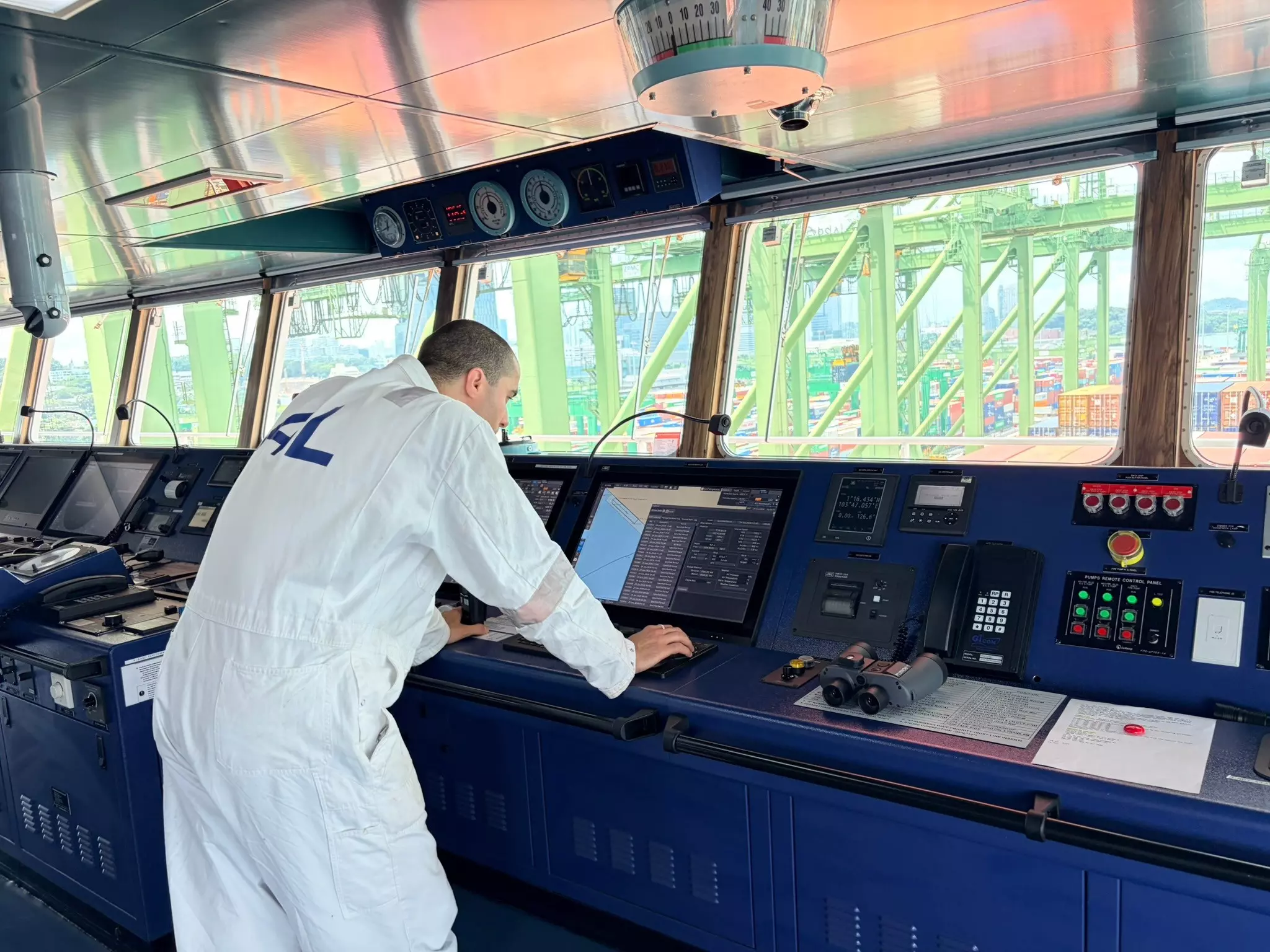
For professional navigators, technology plays an important supporting role, but responsibility for the final voyage plan always remains with the crew.
Luka believes MyRA 2.0 strengthens the planning process by making key navigational, weather and route-related information more accessible within a single workflow. Rather than replacing navigator expertise, the platform helps crews identify potential risks and route impacts earlier in the planning process. This was a recurring theme throughout his feedback, particularly around reducing the risk of missing important information.
"MyRA 2.0 doesn't replace navigator expertise. It supports decision-making by making relevant information more visible and easier to assess."
The platform provides valuable decision support, while ensuring navigators remain firmly in control of every route decision. This balance between technology and professional judgement is central to how modern voyage planning systems create value onboard.
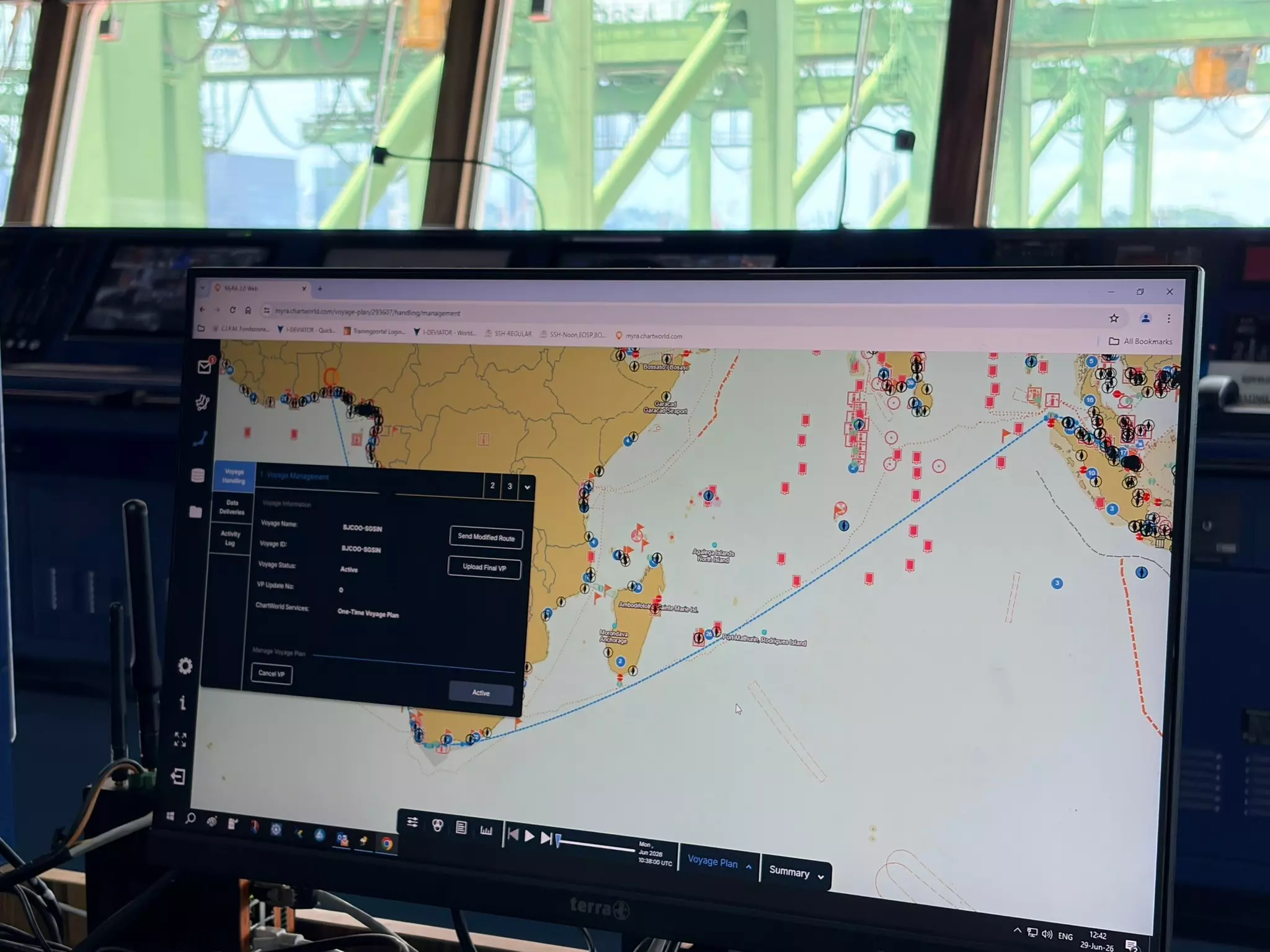
One of the strongest themes from Luka's experience is the confidence he already has in MyRA's route generation capabilities.
Having previously worked with alternative voyage planning systems, he views MyRA 2.0 as a significant improvement, particularly when planning voyages in unfamiliar waters.
"For unfamiliar voyages, MyRA 2.0 provides a strong starting point that allows me to focus on refining and validating the route, rather than building everything from scratch."
This capability is especially valuable when entering new trading areas or planning routes where little historical voyage data exists. Rather than creating passage plans entirely from the ground up, navigators can begin with a reliable route proposal and focus on voyage-specific adjustments based on operational requirements, environmental conditions and professional judgement.
MyRA 2.0 builds upon this established foundation while introducing enhanced planning capabilities that improve visibility throughout the route development process.
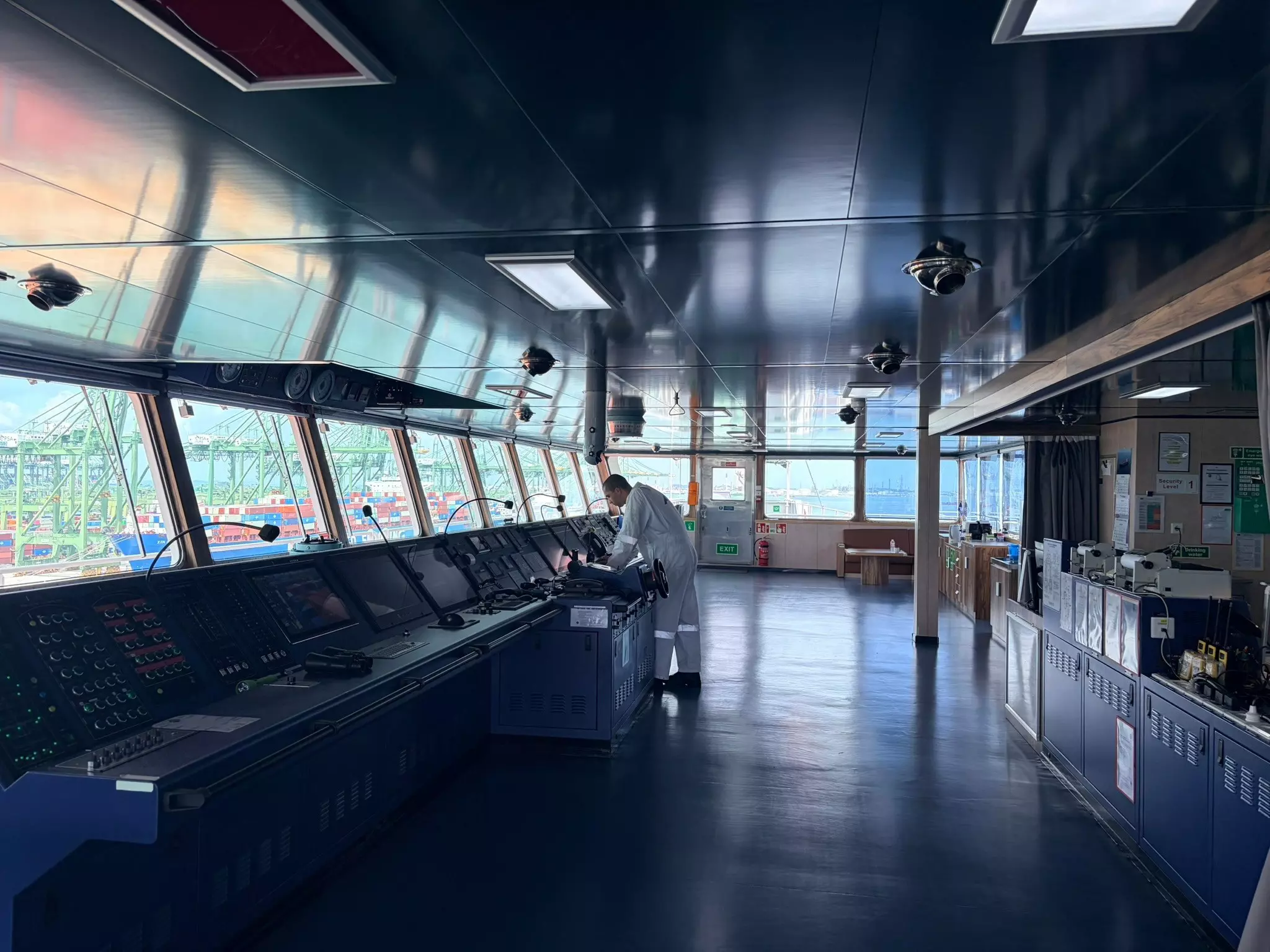
One of the most significant enhancements in MyRA 2.0 is the integration of navigational overlays, weather information and chart-related data directly into the voyage planning workflow.
By bringing critical information together within a single planning environment, navigators gain greater visibility of conditions that may affect a voyage before departure. This helps improve situational awareness and supports more informed route assessments.
"The biggest benefit of MyRA 2.0 is the ability to see critical voyage information in one place, helping me identify potential issues earlier in the planning process."
The ability to visualise route warnings, weather impacts and navigational information in context reduces the effort required to cross-reference multiple information sources and helps crews make more confident planning decisions.
Luka also highlighted the value of having additional information layers available during route planning, particularly when operating in unfamiliar regions or areas subject to temporary restrictions and navigational notices. These enhancements help crews build a more complete understanding of voyage conditions before sailing.
"The integrated overlays provide additional context that helps me better understand route impacts and navigate with greater confidence."
MyRA 2.0 introduces a more interactive voyage planning experience, allowing navigators to visualise information, review routes and assess modifications within a modern browser-based environment.
The platform's interactive capabilities support the way navigators already work, enabling route refinements while maintaining access to relevant voyage information throughout the planning process.
Rather than changing established planning practices, MyRA 2.0 helps streamline them by bringing route planning data, overlays and voyage information together in a single workspace.
"Interactive route planning allows me to evaluate changes more effectively and make informed decisions with better visibility of the overall voyage."
This approach helps navigators assess potential route adjustments more efficiently while maintaining full control over the final passage plan.
Despite introducing new functionality, MyRA 2.0 was consistently viewed as intuitive and straightforward to learn.
Ease of use emerged as one of the platform's strongest attributes, with feedback suggesting that users can become productive quickly without extensive training requirements.
"The platform is intuitive and easy to learn, making it simple for crews to adopt with minimal training."
Luka described the experience as a natural progression for existing users, requiring only a short familiarisation period before becoming part of the normal voyage planning workflow.
The modern web-based interface makes it easier for crews to access information, interact with routes and benefit from the platform's additional planning tools while maintaining a familiar user experience.
For Luka, MyRA 2.0 is not a radical change to how navigators plan voyages. Instead, it builds on capabilities that crews already trust while delivering better visibility, enhanced situational awareness and a more modern planning experience.
"MyRA 2.0 is a natural evolution of a tool that navigators already trust, combining proven route generation with improved visibility and situational awareness."
By combining trusted route generation with integrated information overlays, interactive planning capabilities and a modern web-based experience, MyRA 2.0 helps navigators plan voyages with greater confidence while ensuring professional judgement remains at the centre of every decision.
For commercial operators, the result is a practical and effective voyage planning solution that reduces the likelihood of critical information being missed, supports better-informed decision-making and helps crews prepare for voyages with greater certainty.