Raymarine Commercial has successfully participated in a series of advanced bridge-simulator trials designed to evaluate the real world performance of S-100 navigation data within next generation ECDIS.
Monday - 25 May 2026
As the maritime industry moves rapidly toward a more connected, data-driven future, the transition to S-100 standards marks a pivotal shift in how navigational information is delivered and used on the bridge. To help bring this evolution to life, Raymarine Commercial recently took part in a series of collaborative simulator trials designed to test the real-world application of S-100 data within next-generation ECDIS environments.
Conducted at Carnival Corporation’s Centre for Simulator Maritime Training (CSMART), the trials formed part of the International Hydrographic Organization’s (IHO) S-100 Test Bed in Confined Waters. The programme brought together a diverse group of stakeholders, from hydrographic offices and ports to marine pilots, ship officers, and technology providers, creating a unique environment to evaluate how S-100 performs in practice.
At the centre of this activity was Raymarine Commercial’s S-100 ready ECDIS, integrated into full-mission bridge simulators. Across a series of simulated voyages in major ports including Rotterdam, Southampton, Melbourne, and Napier, participants explored how dynamic S-100 data layers could support real-time decision-making in complex, confined waterways.
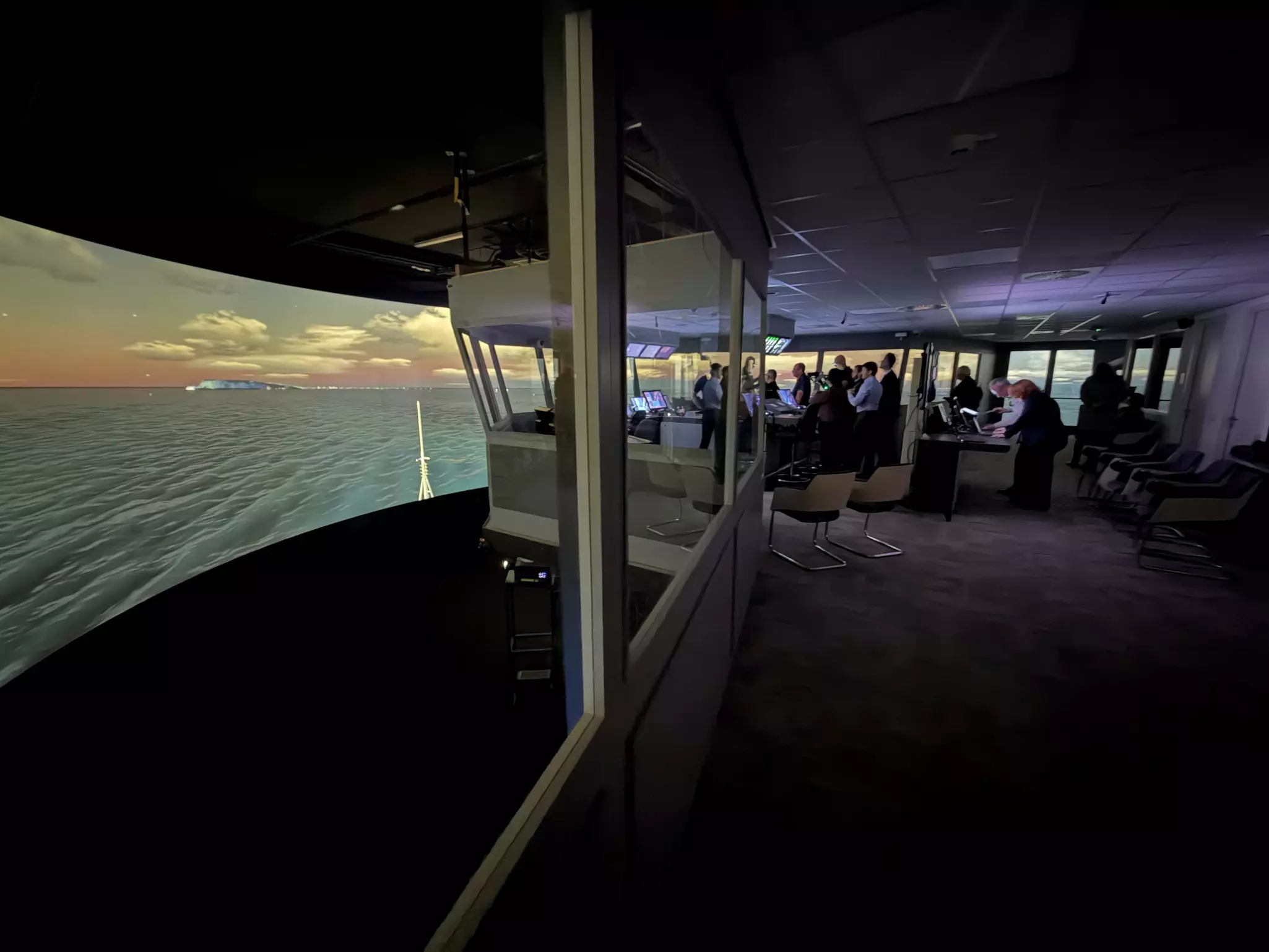
Unlike traditional static charting, S-100 enables the integration of multiple, high-resolution data layers into a single navigational view. During the trials, users interacted with a range of datasets provided by hydrographic offices, including:
The ability to seamlessly switch between these layers allowed mariners to experience how richer, real-time information can enhance situational awareness, particularly during critical manoeuvres such as port approaches and departures.
One of the most valuable aspects of the test bed was the opportunity for direct, real-time collaboration between data producers, system developers, and end users. By observing how mariners interacted with S-100 data in simulated scenarios, participants were able to provide immediate feedback on usability, data presentation, and operational relevance.
This iterative approach is already helping to shape both the evolution of S-100 standards and the future design of ECDIS interfaces.
Andy Murray, Director of Product Management at Raymarine Commercial, highlighted the importance of this collaborative environment:
“Seeing S-100 data layers operating together in front of mariners, pilots, port authorities and hydrographic offices in the same room has been the most instructive test of the standard we have had to date.
When every part of the maritime value chain can observe the same display and respond to it in real time, you learn things about usability and integration that no internal review process can replicate. These trials have materially shaped how we are developing Pathfinder ECDIS capability for the 2029 mandate.”
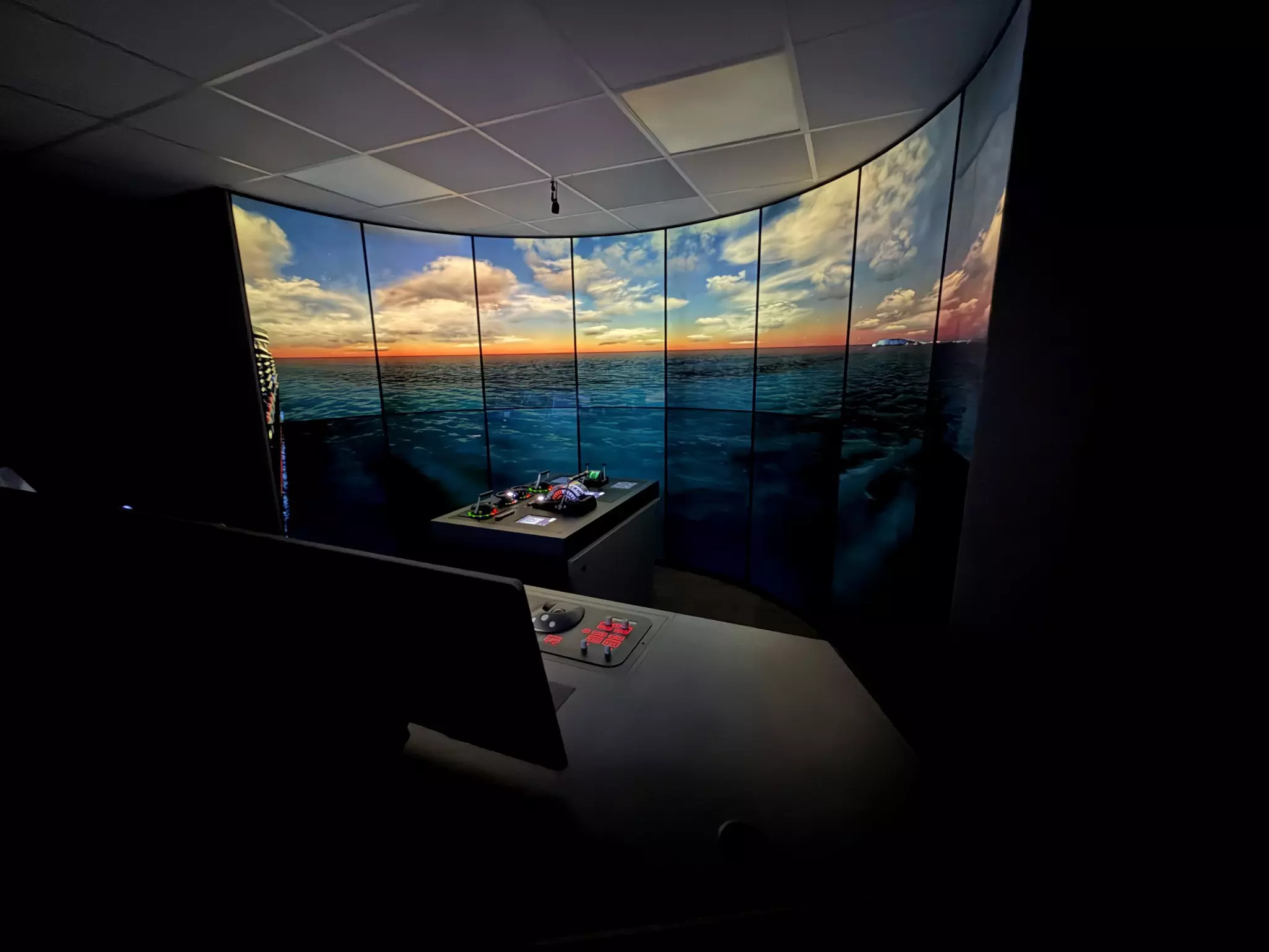
The insights gained from the trials reinforce the transformative potential of S-100. By moving beyond static charts to a dynamic, multi-layered data ecosystem, S-100 has the capacity to significantly improve navigational safety and operational efficiency.
Key outcomes from the programme will contribute to:
The success of the S-100 Test Bed highlights the importance of industry-wide collaboration in preparing for the future of digital navigation. The initiative was delivered through close cooperation between CSMART, national hydrographic offices, ports, and a number of leading maritime technology partners, including Wärtsilä Voyage Simulation, SevenCs, OMC International, QPS, and SEAiq.
For Raymarine Commercial, participation in these trials reflects a broader commitment to supporting the industry’s transition to S-100, ensuring that both technology and users are ready ahead of upcoming regulatory milestones.